
Why Ariana Grande’s Petal Is A Weapon
BY SASHA BASANT
Ariana Grande truly bares all with her latest release, Petal, sharing a side of her she almost never taps into – rage, making it clear that this record is a direct response to the people who constantly try to tear her down while monetizing their criticism. Grande delivers an intimate, unyielding body of work. Working alongside longtime collaborators Max Martin and Ilya Salmanzadeh, she notes that the production process this time around was much more intimate – and it shows. There are absolutely no surface-level tracks here; each song hides a deeper meaning.
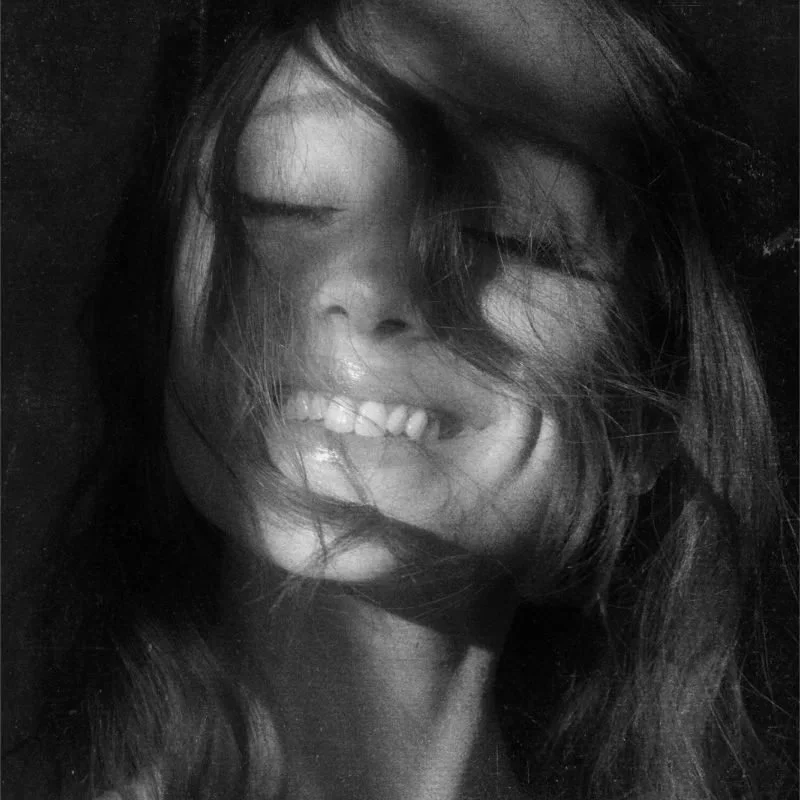
It's no surprise that Petal takes heavy inspiration from Ariana’s favorite artist, Imogen Heap. From the intricate vocal layering to the experimental textures, fans will easily recognize Heaps influence on the album. At the same time Grande draws from the sultry mid-tempo R&B of her earlier work. Despite the recognizable similarities, one thing is clear Grande isn't hiding behind her iconic vocal range this time around. Instead of masking her vulnerability with signature whistle notes, she steps out from behind the vocal acrobatics, allowing the weight of her lyrics to truly shine.
Much like her previous project Eternal Sunshine, Petal is equally masterfully sequenced, documenting the journey of public scrutiny to private peace. Grande kicks off the album with “kiss me” setting a bittersweet final tone with the heavy exit line, "kiss me like you know this is goodbye.”
The lead single, “hate that i made you love me,” gives listeners an immediate, dramatic taste of the album's broader sonic sound and lyrical edge. Upon first listen, this track could easily come across as a messy breakup song, but beneath that is a defiant commentary on the parasocial relationship the media and the critics have with her. The bridge becomes a call out to the public's obsession with her, and follows it up with a quick shrug in the chorus “cause i barely tried.”
Grande has frequently discussed the hardships of growing up in the public eye – both in press interviews and on past tracks like “fake smile.” However, the title track “petal” gives us a devastating glimpse into the illusions of Hollywood life “just as long as she keeps getting it right, heartbreak won’t bite here in paradise”. The accompanying music video further extends this narrative. Following Pepper, a character Grande created, she uses the visuals to tell the definitive tale of her Hollywood career. Pepper runs through the different areas of grand's career, revisiting the versions of herself the people have come to know. As she moves through the timeline, Pepper’s image constantly shifts and is altered to fit expectations of the criticism she placed on her.
Grande has never shied away from being more sensual in her music, giving us past tracks like “34+35” and “everyday.” However, this time around, she flips that energy on its head, using sensuality as a metaphor for power and influence across this record. “like i do” recalls the similar dark and gritty R&B blueprint of her thank u, next era. What sets this song apart is how she channels the sounds from the exact era the public favored most to send a clear message, intentionally luring listeners in with a familiar aesthetic. Lines like “you need me like i you, cause no one fucks you like i do” take on a completely different meaning. Rather than singing about a romantic partner, she addresses her critics, reminding them, no matter how much they try to tear her down, they are still completely dependent on her energy.
The journey ends with a clear decision to reject self-abandonment. Instead of running, on the album's closer, “nowhere, nobody,” Grande explicitly chooses herself, settling on inner peace. Built around a soft, humming beat, it is easily the prettiest and most comforting song on the record. The repetitive chorus “There’s no more running, and there's nowhere with nobody else that I'd rather be.” candidly states that she has found peace in letting her guard down. The album artwork itself weaves the pieces into a whole. On the cover of Petal, Grande sheds her signature ponytail, finally letting her hair down. Since the beginning of her career, she has always used her hair to mark different chapters. It is the ultimate visual metaphor for an album that refuses to hide behind a curated pop image anymore. Petal is Ariana Grande at her most unguarded.
