
FROM GROWING PAINS TO GROWING UP: INSIDE GRACIE ABRAMS’ DAUGHTER FROM HELL
by athria menon
Through intimate confessionals and expansive production, the singer-songwriter captures the complicated reality of growth and change while staying true to her roots.
Following the releases of lead singles "Hit the Wall" and "Look at My Life," Gracie Abrams released Daughter From Hellon July 16. Produced primarily by longtime collaborator Aaron Dessner, the album builds on Gracie Abrams' signature intimate, emotionally driven songwriting while expanding its sonic scope. Throughout the record, Abrams explores adolescence with greater clarity, balancing vulnerability with a newfound confidence that makes Daughter From Hell feel like a heartbreaking yet healing listen, resulting in Abrams' most mature and self-assured body of work to date.

Serving as the album's emotional centerpiece, the title track, "Daughter From Hell," marks one of the most vulnerable moments in Abrams' catalog. The song is anchored by distorted guitars that gradually intensify. Using the song as both a love letter and an apology to her mother, Abrams reflects on the recklessness of adolescence and how it comes with growing older. Speaking about the song on Popcast, Abrams shared that it "felt like the first time I was able to write a song — but really, write anything other than a text — apologizing to my mom for being so brutal growing up." The track is not only a personal confession, but also one of the album's defining moments.
As the lead single and opening track, "Hit the Wall" establishes the reflective mood that carries through the record. Abrams shared that she wrote the song after arriving at Electric Lady Studios feeling disconnected and lonely, saying the music "perfectly captured the feeling that I walked into the studio with." That sense of internal conflict runs throughout the track, making it a fitting introduction to the album's themes of self-reflection and uncertainty.
Among the album's lighter moments, "Minibar" stands out without sacrificing the intimacy that defines Daughter From Hell. Written alongside longtime collaborator, fellow artist, and close friend Audrey Hobert, the track showcases the same witty, conversational songwriting that made previous collaborations like "Risk" and "That's So True" instant fan favorites. Driven by their natural chemistry and ability to turn everyday moments into intimate and relatable songwriting, "Minibar" continues that dynamic while complementing the album's more introspective themes.
Featuring backing vocals from Justin Vernon of Bon Iver, "Humming" broadens the album's perspective, shifting its focus beyond personal relationships to feelings of uncertainty and helplessness in an increasingly turbulent world. In an interview with fellow artist Olivia Rodrigo via Spotify, Abrams describes the story behind the lyrics: “ In many ways, so purposeful: to make us feel so afraid that we then disconnect as a result of our helplessness. “I feel like lots of the songs, to me, feel more existential than diaristic… the lyric that comes to mind is ‘I'm convinced our sinking ship will sing as it goes down, haunting hymns keep echoing after we’re in the ground’. I think it comes from this place of understanding…knowing that so many people are in the midst of such despair and pain, but that I really do believe in us.” With "Humming", Abrams proves that her vulnerability can extend beyond her own life, making her songwriting much more compelling.
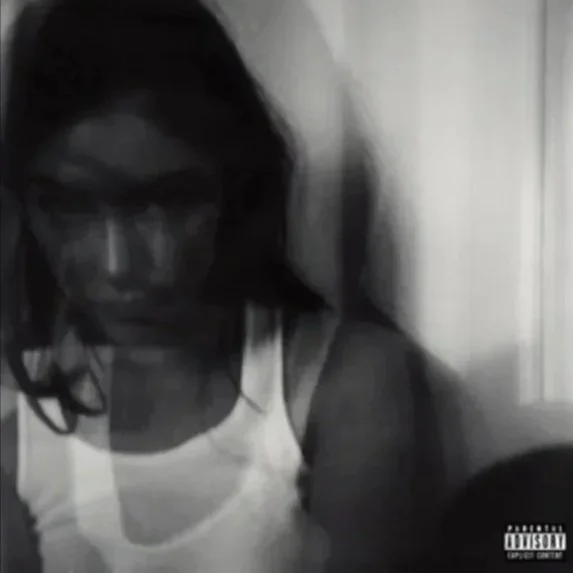
Compared to Good Riddance, which captured the uncertainty of heartbreak and growing up in real time, and The Secret of Us, which showcased a more confident and expansive side of her songwriting, Daughter From Hell finds a balance between the two. While themes of adolescence and self-discovery remain, she approaches them with greater reflection and maturity. Through stronger storytelling and thoughtful production, Daughter From Hell represents a natural evolution of her sound and songwriting.
Daughter From Hell is a thoughtful, emotionally resonant record rooted in the quiet vulnerability that defines her sound. By expanding her perspective while maintaining the lyrical honesty that first connected listeners to her music, Abrams delivers a record that feels both deeply personal and universally relatable. With Daughter From Hell, Gracie Abrams delivers her most emotionally complete project yet.
